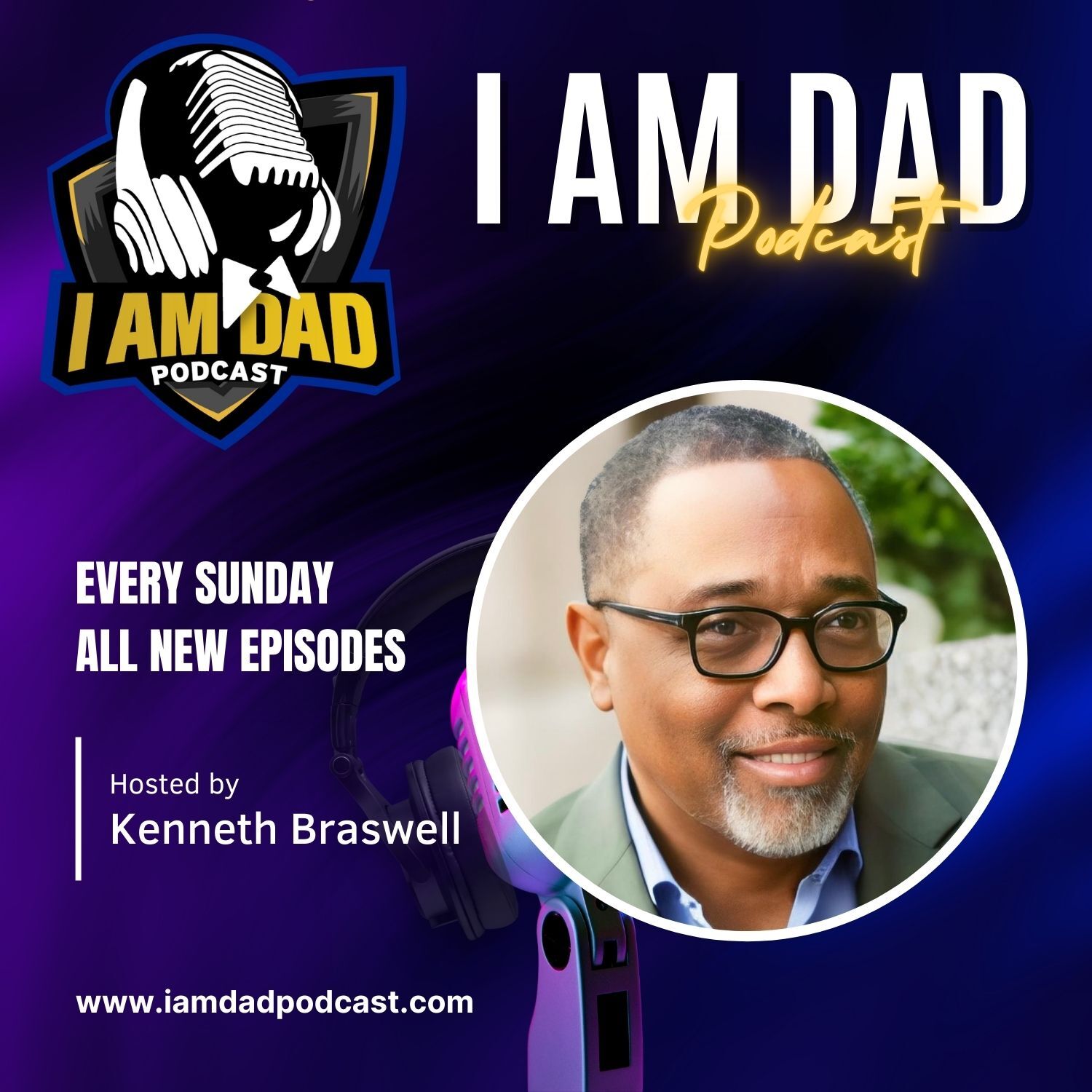
I Am Dad
Kenneth Braswell
play_circle_filled
Listen And Subscribe


Latest Episode
Honoring Dr. Janice Stevenson | Men's Mental Health, Grief, Trauma, and Healing
Some voices educate us. Others challenge us. And then there are voices that reach places within us that we have spent a lifetime trying to protect. Dr. Janice Stevenson was one of those voices. In this special tribute from I Am Dad Podcast, we revisit some of the most powerful moments from our conversations, interviews, and community gatherings featuring Dr. Stevenson, a psychologist whose decades of work centered trauma, emotional wellness, healing, and the importance of understanding the human experiences behind our behavior. For years, Dr. Stevenson challenged the expectations placed upon men, particularly Black men, to remain strong, silent, unemotional, and unaffected by life's pain. She understood that behind anger there is often hurt, behind silence there may be grief, and behind the appearance of strength there may be a man desperately searching for permission to be vulnerable. Her words reminded us that men do not stop being human when they become fathers, husbands, providers, or protectors. Throughout this collection of memorable moments, Dr. Stevenson speaks candidly about the emotional lives of men, the consequences of unresolved childhood trauma, the importance of mental health treatment, and the responsibility families and communities share in creating environments where emotional honesty is welcomed rather than judged. She challenges us to reconsider what we teach boys about crying, why men struggle to find language for their emotional pain, and how the wounds of one generation can quietly become the burdens of the next. One particularly moving moment captures a young man confronting the pain of his relationship with his father. What follows is a powerful example of the courage required to acknowledge hurt, speak difficult truths, and begin the work of repairing a relationship.
About I Am Dad
The I AM DAD. Podcast is an exploration of fatherhood insight, information, and inspiration for dads, their families, the people who love, and those that support them. Access more episodes, subscribe, and learn more.